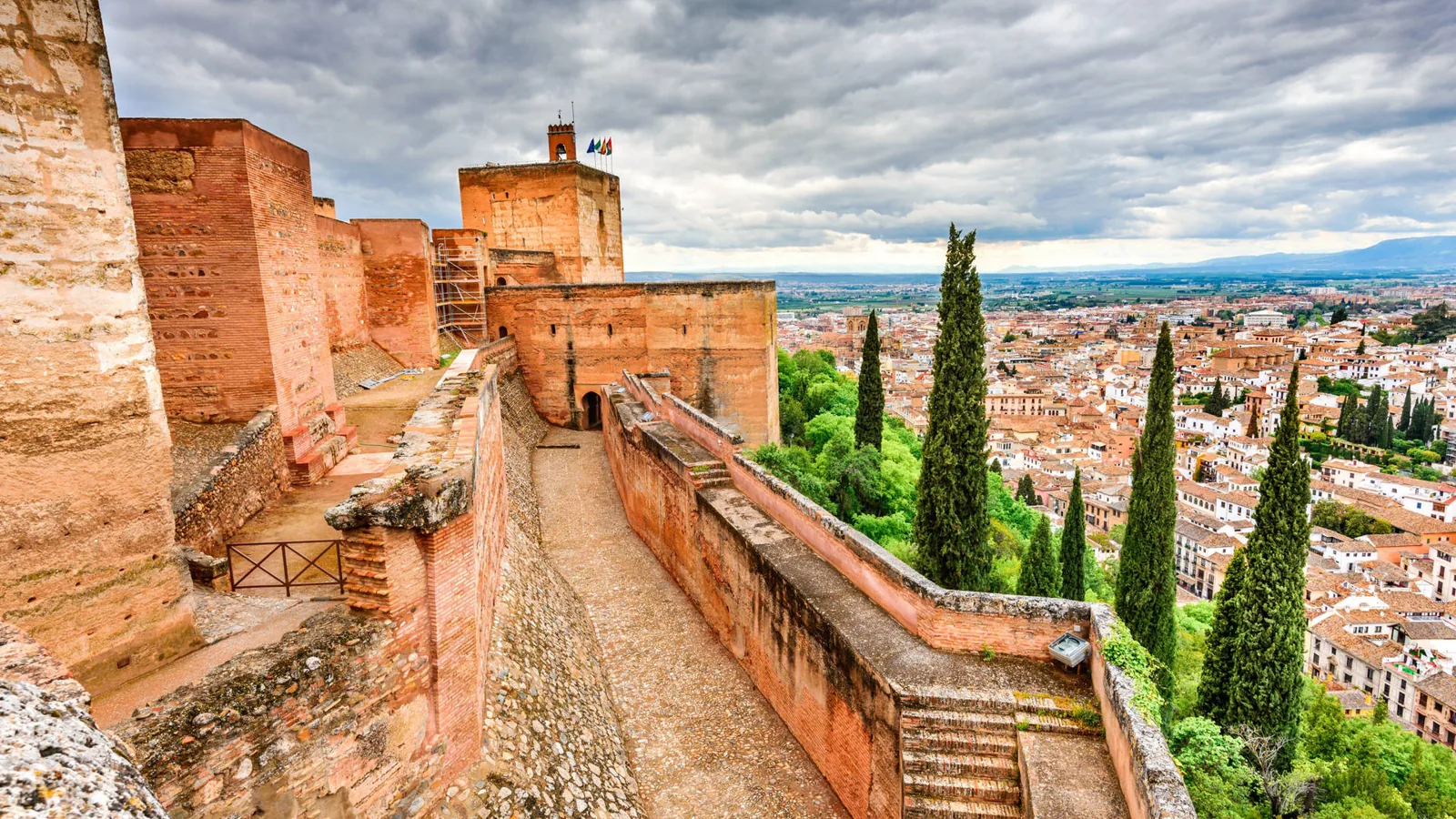


Book an Alhambra tour with Nasrid Palaces, official guide and included ticket to visit the Alcazaba, Generalife and gardens in Granada.
View experienceThinking you can leave the Alhambra until the last minute
This is the most common mistake, and also the one that hurts the most. The Alhambra is not just “one more monument” on the trip: it shapes much of any visit to Granada. Tickets can sell out during periods of high demand, and access to the Nasrid Palaces works with an assigned time slot that should be respected with absolute punctuality. Visitors must also bring a ticket with a QR code and an original identity document, such as an ID card or passport.
The solution is simple: plan the Alhambra visit before the rest of the itinerary. The Albaicín, the Cathedral, the Arab baths, the tea houses and the Sacromonte can come afterwards. But the Alhambra needs its own rhythm, not squeezed between a long lunch and a rushed climb uphill.
The Alhambra needs its own rhythm and leaves no room for improvisation.
Arriving late at the Nasrid Palaces
Granada invites you to wander, but that romantic idea is useless when faced with a timed entry. Arriving late at the Nasrid Palaces can ruin the most delicate part of the visit. The Court of the Lions, the muqarnas, the reflections of water and the rooms that seem carved out of shadow and geometry are not meant to be experienced in a state of anxiety.
It is wise to arrive at the site with time to spare, calculate the internal distances and avoid confusing general entry to the complex with the specific access time for the Nasrid Palaces. The Alhambra is extensive, and walking through it takes longer than many people imagine.
Avoid confusing general entry to the complex with the specific access time for the Nasrid Palaces.
Reducing Granada to the Alhambra
The Alhambra is Granada’s great presence, but it should not swallow the city whole. One of the saddest mistakes is to visit the monument, take the photo from San Nicolás and leave. Granada also lives in the narrow streets of the Albaicín, in the murmur of the Darro, in hidden cármenes, in the Renaissance façades of the centre and in the Sacromonte at dusk.
UNESCO describes the Alhambra and the Albaicín as two complementary medieval realities set on neighbouring hills, separated by the River Darro. Understanding that relationship helps you look at Granada more deeply: not as an isolated postcard, but as a dialogue between hills, water, stone and memory.
Underestimating the hills of the Albaicín and the Sacromonte
In Granada, the map is deceptive. A short distance can turn into a demanding climb, especially in the heat, with luggage, small children or uncomfortable shoes. The Albaicín and the Sacromonte are beautiful precisely because they climb up the hillside, but that beauty comes at a physical cost.
There is no need to avoid these neighbourhoods; on the contrary, they are an essential part of the city. But it is better to explore them slowly, carry water, wear comfortable shoes and combine walking with public transport when necessary. Urban bus routes connect the centre with areas such as the Alhambra, the Albaicín and the Sacromonte, which can spare you unnecessary fatigue.
A short distance on the map can turn into a demanding climb.
Going in the height of summer as if the climate did not matter
Granada can be bright and gentle, but it can also be harsh in the middle of the day. In summer, the heat turns some walks into an endurance test, especially on cobbled streets, viewpoints without shade or long uphill routes. The experience changes greatly if you start early, rest at midday and save the late afternoon for strolling.
Spring and autumn usually offer a more pleasant Granada for walking. Winter has a beauty of its own: cold air, clear skies and the Sierra Nevada as a backdrop, although some nights can be colder than expected for anyone who imagines Andalusia only as sunshine.
Choosing accommodation without thinking about mobility
Staying in the Albaicín can be a beautiful experience: silence, views, white alleyways, distant bells. But it is not always convenient. The hills, restricted access, narrow streets and difficulty of moving around with luggage can exhaust anyone looking for practicality.
The centre is more convenient for a first visit, especially if you are travelling for only a few days or arriving by train or bus. The Albaicín works better for travellers who are willing to walk and prioritise atmosphere over ease. The Sacromonte has character, but it is not the most practical option for everyone, especially at night or for people with reduced mobility.
Confusing tapas with a full gastronomic experience
Granada preserves a generous and much-loved tapas culture, but it should not be idealised. In some bars, the tapa may be abundant and delicious; in others, simple and intended merely to accompany the drink. A tapas crawl can be fun, but it does not always replace a good meal.
The mistake lies in chasing only famous bars or areas full of tourists. Sometimes the best experience is in an unassuming place, with a bar free of calculated decoration and honest cooking. It is also worth accepting that the busiest areas of the centre and the viewpoints may have higher prices or less authentic offerings.
Visiting viewpoints only at the most obvious time
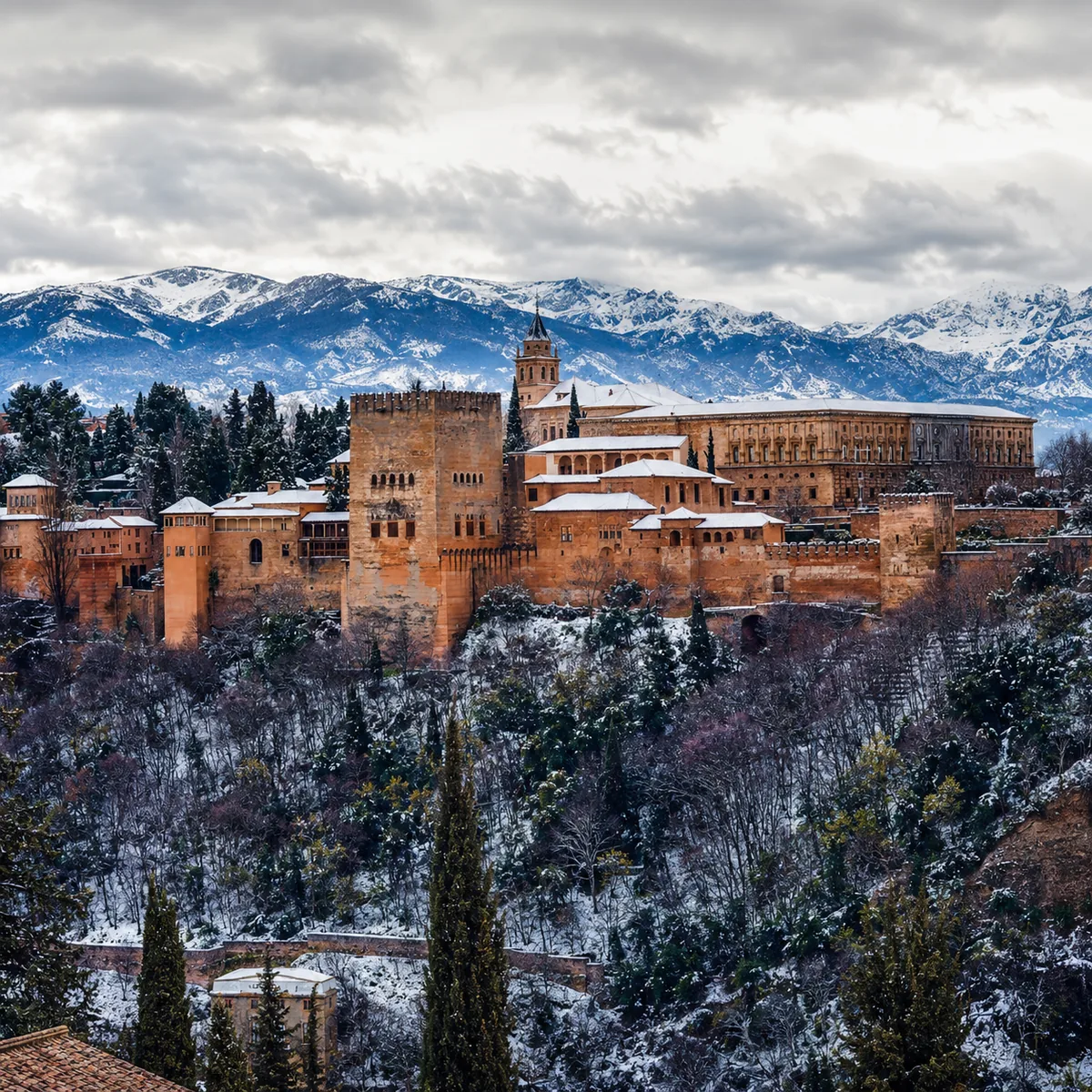
The Mirador de San Nicolás can be thrilling, but it can also be so crowded that it loses part of its magic. Sunset over the Alhambra is beautiful, yes, but it is no secret. Arriving exactly at the most popular moment can turn contemplation into a struggle for a spot.
Granada has other viewpoints and, above all, other moments. A clear morning, a weekday afternoon or a walk without obsession over the photo can offer a calmer experience. The Alhambra is not only looked at: it is waited for, listened to, allowed to change with the light.
Not taking care of your relationship with local people
Granada lives from tourism, but it also lives with it. In neighbourhoods such as the Albaicín and the Sacromonte, many corners that may look like sets made for travellers are lived-in streets, real doors, real windows, real lives. The mistake is behaving as if the whole city were a stage.
It is best to speak respectfully, not photograph people without permission, avoid making noise at night in residential streets and remember that a cave, a courtyard or a façade does not exist solely for Instagram. In bars, simple courtesy works better than entitlement: saying hello, ordering patiently, not treating the free tapa as an unlimited right and understanding that the Andalusian rhythm does not always match the visitor’s haste.
Granada is enjoyed more when you stop consuming it and start inhabiting it, even if only for a few days.
Granada is enjoyed more when you stop consuming it and start inhabiting it.
Trying to see everything in too little time
Granada punishes overly ambitious itineraries. Alhambra in the morning, Cathedral at midday, Albaicín in the afternoon, Sacromonte at night and Arab baths in between may sound efficient, but it ends up turning the city into a checklist.
It is better to choose less and look more closely. Two or three days allow for a more balanced visit. With only one day, you have to accept sacrifices: perhaps the Alhambra and a walk through the Albaicín; perhaps the historic centre and the viewpoints; but not everything in depth. Granada is not huge, but emotionally it is dense.
Buying a flamenco experience without checking properly what you are booking
The Sacromonte has a deep connection with flamenco and zambras, but there are also shows aimed very directly at quick tourism. Not all of them are bad, but not all have the same quality or the same respect for the art they present.
The mistake is not attending a show, but doing so without judgement: choosing only by price, by street persuasion or by a promise that sounds too dazzling. It is worth looking for venues with a solid track record, smaller groups where possible and an offering that does not turn local culture into caricature.
Believing Granada will always be cheap
Granada can be more affordable than other very touristy Spanish cities, but that does not mean everything is cheap. Accommodation prices rise during long weekends, regular weekends, Holy Week, spring and periods of high demand. The most central areas or places with views can be significantly more expensive.
Travellers on a tight budget will enjoy the city more if they book ahead, avoid especially popular dates and combine traditional bars with simple meals. Granada allows for travel without luxury, but it is unwise to arrive thinking that charm will make up for any lack of planning.
Leaving no room for the unexpected
The final mistake is trying to control too much in a city best enjoyed with a certain drift. Granada has obvious plans, but also alleyways where a fountain suddenly appears, squares where someone plays a guitar, small shops, discreet convents, cool shade beside the Darro and conversations that were not in any guidebook.
The key is to prepare what matters —above all, the Alhambra— and leave room to get lost. Granada needs organisation, but also surrender. Visit it in too much of a hurry and you will see its beauty. Visit it calmly and you will understand its melancholy a little better.
Granada needs organisation, but also surrender.