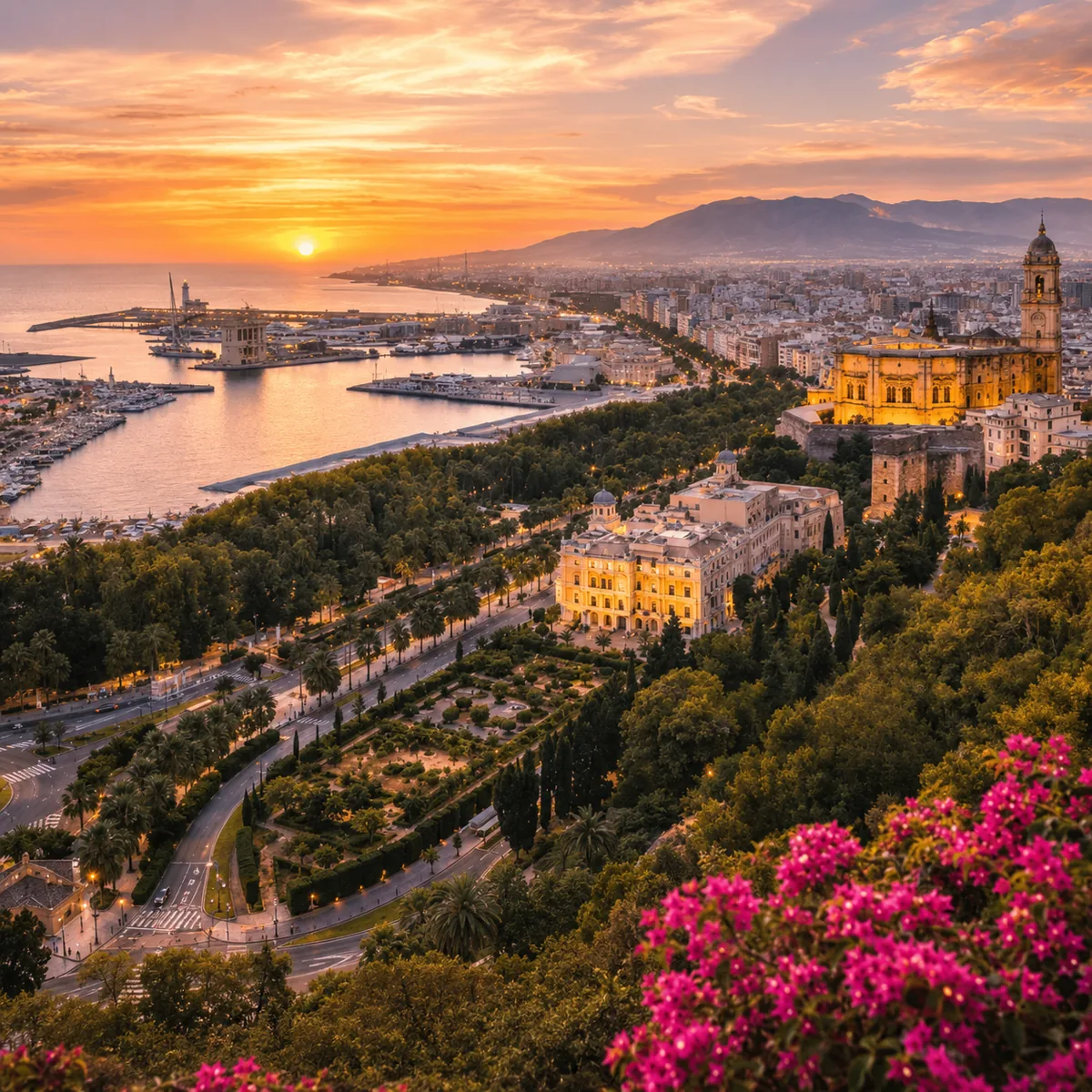


Book a guided tour of Málaga Alcazaba and Roman Theatre in 1.5 hours, with admission included, a professional guide and organized group access.
View experienceThinking Málaga is only about the beach
The first mistake is treating Málaga like just another coastal city. Yes, it has the sea, palm trees and that Mediterranean light that seems to gild the façades even on ordinary days. But its real personality appears when the ancient stone of the Alcazaba mingles with the smell of grilled fish, the terraces in the centre, the museums and the neighbourhoods where people still chat loudly outside shop doors.
La Malagueta is convenient and close by, but it will not always be the quietest or most beautiful beach for those seeking a more intimate experience. For an urban swim, it works; for a seaside day with more local flavour, Pedregalejo or El Palo usually have more soul.
For an urban swim, La Malagueta works; for a seaside day with more local flavour, Pedregalejo or El Palo usually have more soul.
Visiting the Alcazaba and Gibralfaro during the hottest hours
Climbing up to Gibralfaro at midday in summer can turn a beautiful visit into a small act of penance. The views over the port, the bullring, the rooftops and the Mediterranean are worth the effort, but the climb has exposed stretches and the Málaga sun is unforgiving.
The sensible thing is to go early or towards the end of the afternoon, bring water and avoid squeezing the visit into a rushed schedule. The Alcazaba and Gibralfaro Castle have different opening hours depending on the season, with summer hours from April to October and winter hours from November to March, so it is worth checking them before planning your day. Alcazaba and Gibralfaro Castle
The sensible thing is to go early or towards the end of the afternoon, bring water and leave enough time to enjoy the views without exhausting yourself.
Assuming the whole city centre is enjoyable at any time of day
Málaga changes a great deal depending on the hour. In the morning, the centre can have a clean kind of beauty: shutters being raised, the smell of coffee, cool marble underfoot, delivery workers crossing narrow lanes. At midday, especially in summer, some squares become harsh, hot and too crowded. At night, the old town comes alive, but it can also lose its intimacy in the most tourist-heavy areas.
The mistake is not going to the centre; the mistake is not choosing the right moment. For exploring Málaga historic centre without exhausting yourself, early morning and sunset are better allies than the middle of the day.
For strolling without exhausting yourself, early morning and sunset are better allies than the middle of the day.
Choosing August without knowing what it involves
August in Málaga can be intense: heat, atmosphere, noise, higher prices and crowds. For some travellers, that energy is part of the trip. For others, especially those imagining a calm seaside break, it can feel overwhelming.
The August Fair is one of the city’s great celebrations and commemorates Málaga’s incorporation into the Crown of Castile by the Catholic Monarchs. It is a festival full of character, music and street life, but it also transforms the city’s rhythm. Visit Málaga
Holy Week also changes the city completely: it is not just a religious event, but a social and cultural celebration with dozens of processions. It can be moving, but it is not the best time for those seeking silence, easy mobility or spontaneous dinners without reservations. Visit Málaga
August and Holy Week can be fascinating moments, but they are not the easiest times for those seeking silence, easy mobility or spontaneous dinners.
Renting a car to get around Málaga city
Another common mistake is arriving with a car thinking it will make the visit easier. In the city, the opposite is often true: parking in the centre can be inconvenient and expensive, and much of what is worth seeing is best discovered on foot.
Most of the main tourist sights are concentrated in the centre, making them easy to explore on foot. Málaga also has city buses, a metro and Cercanías commuter rail connections that are useful for specific journeys. Spain.info
A car makes sense if you are going to explore villages, coves, La Axarquía, the Caminito del Rey or routes around the province. For two days in the capital, it may be more of a burden than an advantage.
For two days in the capital, a car may be more of a burden than an advantage.
Eating only where there are the most tourists
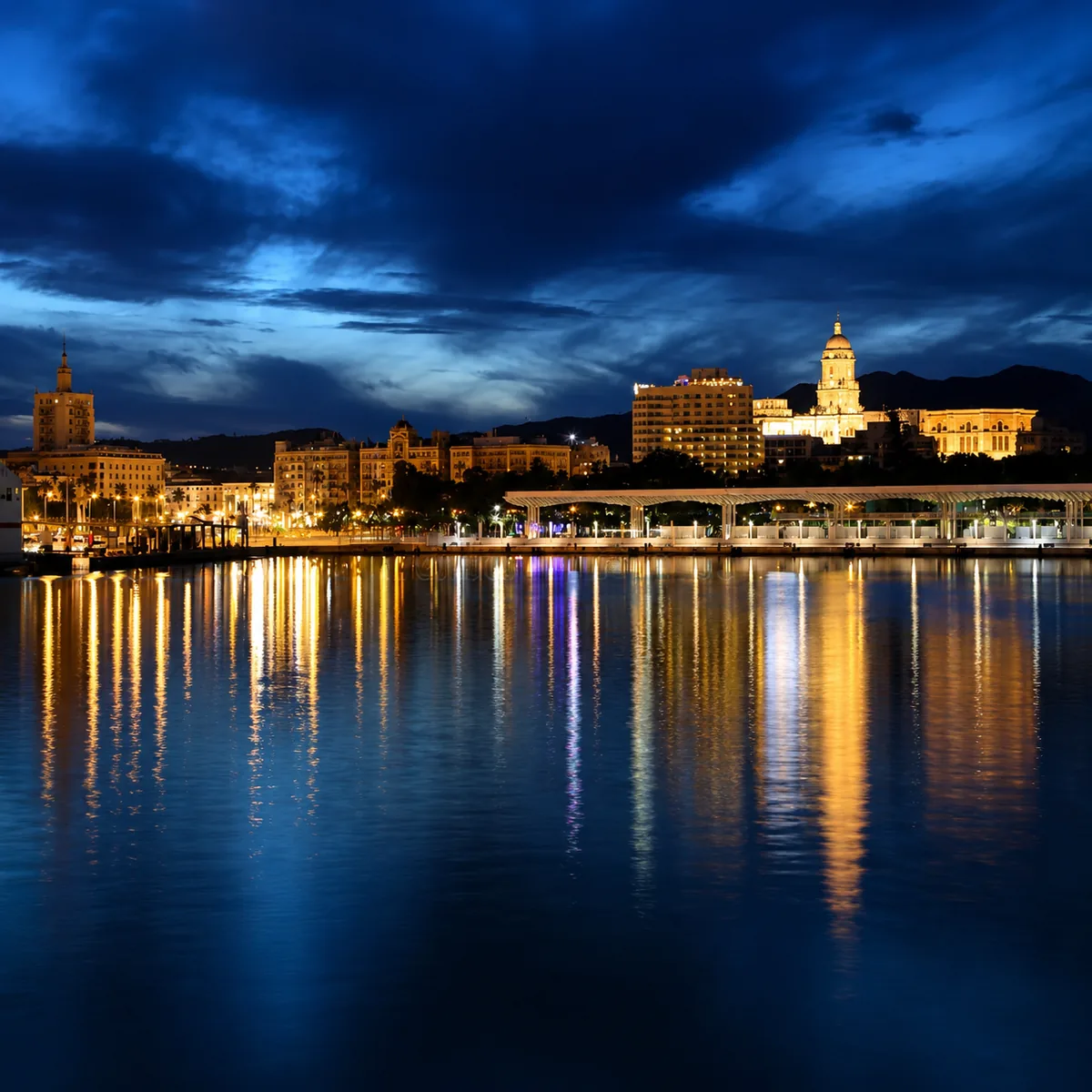
Málaga is a city to enjoy at the table, but here too it pays to look carefully. Not every packed terrace near a famous street offers the best experience. In the busiest areas you can certainly find honest places, but also impersonal menus designed for people who will never return.
Look for traditional eateries with a local rhythm, bars where you can sense real craft, and seaside neighbourhoods if you want to try espetos in a setting that makes sense. Pedregalejo is a good area for discovering that Málaga of glowing embers, boats, dark sand and long lingering meals. Spain.info specifically highlights sardine espetos in Pedregalejo as one of the city’s traditional flavours. Spain.info
Pedregalejo is a good area for trying espetos in a setting with more local flavour.
Planning the trip as if everything were far away
Málaga is an easy city once you understand its scale. The airport is close and connected to the centre; the Cercanías train links the airport with central Málaga and other points along the Costa del Sol, and the express bus also reaches the centre in a short journey. Spain.info
The mistake lies in overcomplicating the logistics. There is no need to weigh down a short break with unnecessary transfers, accommodation too far away or poorly timed excursions. If you only have one or two days, staying near the centre, the station or La Malagueta can help the trip breathe more easily.
If you only have one or two days, staying near the centre, the station or La Malagueta can help the trip breathe more easily.
Expecting a secret, empty city
Málaga is fashionable, and it shows. There are streets with too many suitcases, tourist apartments, queues at museums and restaurants where the local accent mixes with many languages. This can disappoint anyone arriving in search of an untouched, silent Andalusia.
But the solution is not to dismiss it for being touristy; it is to step out of autopilot. Walk early, go into markets, move a few streets away from the most obvious routes, look at old doorways, listen to how the city’s tone changes between the centre, the port and the neighbourhoods. Málaga does not always reveal itself in its first layer.
The solution is not to dismiss it for being touristy; it is to step out of autopilot.
Treating Malagueños as part of the scenery
How to relate better to the city and its people
Málaga is open, but it is not a stage set up for visitors. One of the ugliest mistakes is confusing local friendliness with unlimited availability. The Malagueño character may be warm, joking and talkative, but that does not mean anything goes: shouting in residential streets, taking over pavements with large groups, haggling where it is inappropriate or photographing people without permission breaks the invisible delicacy of travel.
A good rule is simple: say hello, ask for things calmly, respect rest hours, do not block entrances or bar counters, and accept that not every place should adapt to the tourist’s rhythm. In markets, traditional bars and seaside neighbourhoods, politeness opens more doors than any list of recommendations.
In markets, traditional bars and seaside neighbourhoods, politeness opens more doors than any list of recommendations.
Looking at Málaga with more patience
Of all the mistakes to avoid in Málaga, the most important is trying to understand it in fast-forward. The city is well worth it for anyone who wants to combine culture, sea, gastronomy and a lively, bright and comfortable local atmosphere. It may disappoint those looking for wild beaches, absolute silence or an experience entirely untouched by tourism. Its beauty lies precisely in that mixture: an ancient city that learned to please a little too well, and that therefore demands from the traveller a finer, more patient and more respectful gaze.