

Book a guided tour of Málaga Alcazaba and Roman Theatre in 1.5 hours, with admission included, a professional guide and organized group access.
View experienceWhat to eat in Málaga to understand the city
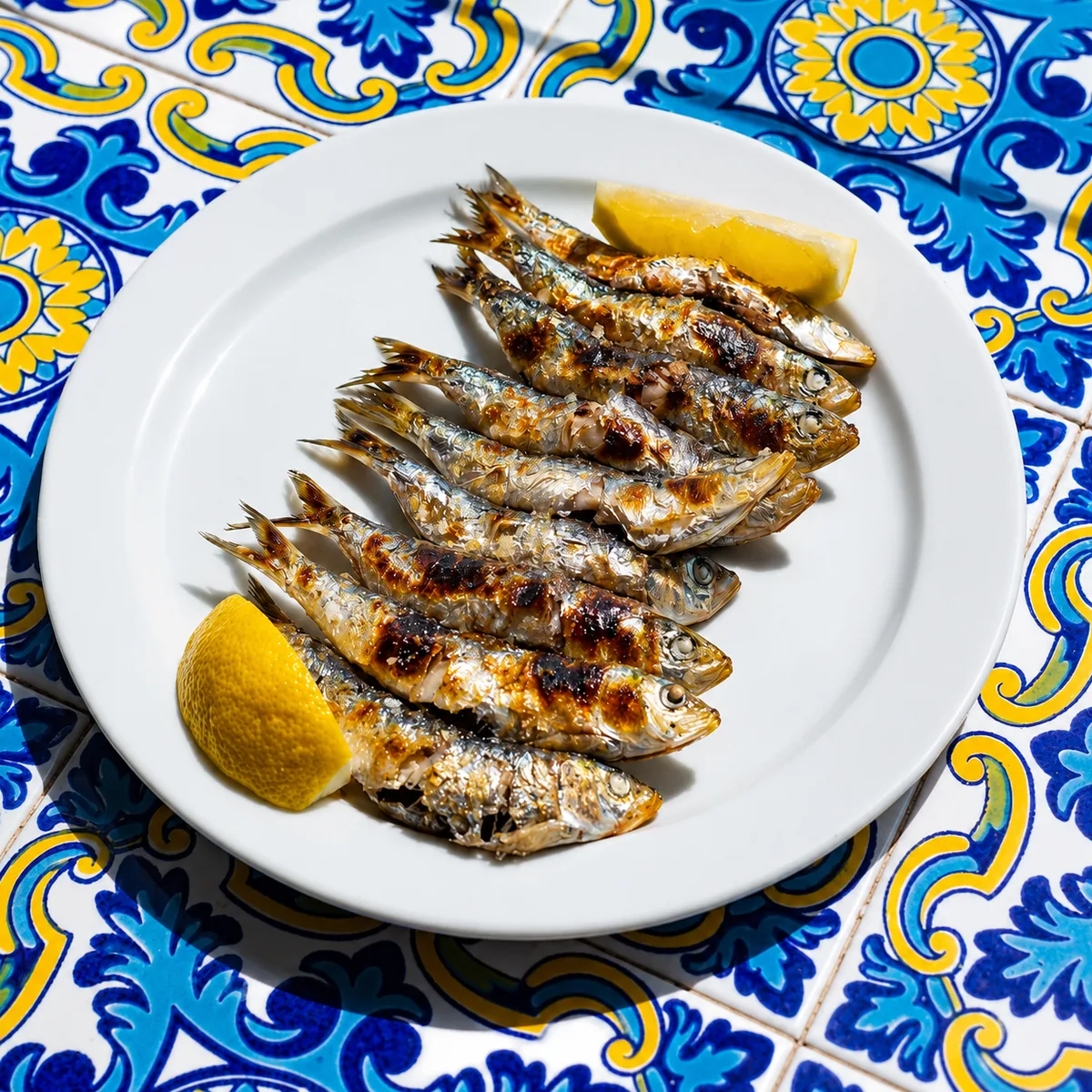
The most symbolic dish is the sardine espeto, traditionally grilled on canes over embers, often in boats placed on the sand. Visit Málaga presents it as one of the city’s most cherished preparations, thanks to its flavour, the way it is cooked and the image of the boats beside the sea.
You should also try the pescaíto frito, especially anchovies, squid, red mullet or forkbeard, as long as the frying is clean, light and crisp. It should never arrive oily or heavy. Málaga-style frying is still considered part of the local gastronomic identity, to the extent that competitions are held for it across the province.
In summer, Málaga becomes whiter and fresher with ajoblanco, a cold soup made with almonds, bread, garlic and olive oil, usually served with grapes or fruit. There is also porra antequerana, thicker, redder and more substantial, related to salmorejo but with a character of its own. For cooler days, gazpachuelo malagueño —a hot broth bound with mayonnaise— is one of those dishes that surprises visitors who arrive expecting only beach food.
The frying should be clean, light and crisp: if it arrives oily or heavy, something is wrong.
Where to eat in Malaga historic centre: convenient, beautiful and uneven
The centre is the easiest area for eating if you are visiting the Cathedral, the Alcazaba, the Picasso Museum or Calle Larios. Many well-known restaurants, tapas bars and historic taverns are found here. It is convenient, lively and very photogenic, but it is also the area where it is most worth taking a careful look before sitting down.
A good sign is usually a short menu, visible produce, waiters who do not pressure you from the doorway and tables occupied by Malagueños, not just groups with suitcases. A bad sign: paella, pizza, sushi, giant sangria, burgers and “typical tapas” all on the same menu.
The closer you are to the main tourist flows, the more attention you should pay to the menu.
Pedregalejo and El Palo: where Málaga tastes most of the sea
For seafood in Malaga with a seafaring atmosphere, Pedregalejo and El Palo are more authentic bets than many central terraces. There, the sea is close to the table, the embers smell of sardines and the food has less need to dress itself up. Not everything is excellent, and in high season it can get very crowded, but it remains one of Málaga’s most characteristic gastronomic experiences.
El Tintero, in Málaga East, is famous for its noisy and peculiar system of fish and dishes being carried past the tables; its own website presents it as a specialist in pescaíto frito and notes that during the day it operates on a first-come, first-served basis, with no reservations for small groups.
It is fun, local and chaotic: ideal if you are looking for an experience; less recommendable if you want a quiet, peaceful meal.
Soho, Ensanche and the port area: a more contemporary Málaga
Around Soho and the port, you will find more contemporary restaurants, with reworked Mediterranean cuisine, local produce and carefully designed interiors. It is an interesting area for dinner without going too far from the centre, although some places can lean more towards food designed for visitors than for locals.
Look carefully at the menu: when creativity respects the product, Málaga shines; when it merely disguises mediocre dishes, it shows.
Malaga food markets where you can eat or start your route
The Mercado Central de Atarazanas is almost an essential stop if you are interested in gastronomy. Visit Málaga describes it as a historic market in the heart of the city and as a place that showcases both heritage and gastronomic richness.
The best time to go is in the morning, when it still functions as a market and not only as a tourist backdrop. You can buy fruit, olives, almonds, cheese or fish, or sit down at one of its bars. It can be very crowded, especially mid-morning and at weekends, so do not arrive expecting intimacy. It is more a place to feel Málaga’s pulse than somewhere for a leisurely meal.
Other markets such as Salamanca or Huelin also maintain a more everyday relationship with their neighbourhoods, less monumental but sometimes more real. For anyone wanting to eat cheaply and well, markets remain a good compass.
Classic places that make sense, with caveats
Antigua Casa de Guardia is one of the most characterful addresses for tasting Málaga wines. Its website presents it as a place devoted to wines from the Málaga Designation of Origin, alongside pickles, seafood and marine products. It is not a comfortable restaurant for long after-lunch conversations: it is counter service, bustle, wine, history and a floor walked by many generations.
Casa Aranda is a classic place for churros with chocolate in the centre. The house says it has been serving coffee, churros and hot chocolate since 1932. There may be a queue and it is not a hidden local secret, but it still retains that popular café feel where the day begins with sugar, hot oil and quick conversations.
El Pimpi is probably Málaga’s most famous bodega. Founded in 1971, it defines itself as a house linked to local gastronomy, wines from the region and southern culture. It is worth visiting for the building, the atmosphere and the location, but it should not be idealised: it is very well known, very visited and can feel more touristy than intimate. Better for having a drink, enjoying the place and ordering wisely than for expecting the city’s most secret food.
Where to eat cheaply in Málaga without falling into traps
To eat well without spending too much, look for neighbourhood bars, simple fish-frying spots, menú del día options away from the most monumental streets and cafés with local dishes. The campero —a large, hearty Málaga sandwich— is a popular, informal and inexpensive option.
Shared portions also work well: ensaladilla, anchovies, aubergines with cane honey, pipirrana or a half portion of fried fish if the place has good turnover.
The practical rule is simple: the closer you are to the main tourist flows, the more attention you should pay. That does not mean everything is bad, but it does mean the margin for error increases.
Fine dining and special restaurants
Málaga is no longer just beach, tavern and fried fish. The MICHELIN Guide includes a selection of restaurants in Málaga and the surrounding area, with names such as La Cosmo, Cávala, TA-KUMI and Palodú, among others.
For a special dinner, it is worth booking in advance and checking the current offering, because menus, opening hours and recognitions can change.
This kind of cuisine is not necessary in order to understand Málaga, but it can be very interesting if you are looking for a contemporary reading of Andalusian produce. That said: if it is your first time in the city, I would not replace an espeto by the sea with a tasting menu. I would do both, budget permitting.
Common mistakes when eating in Málaga
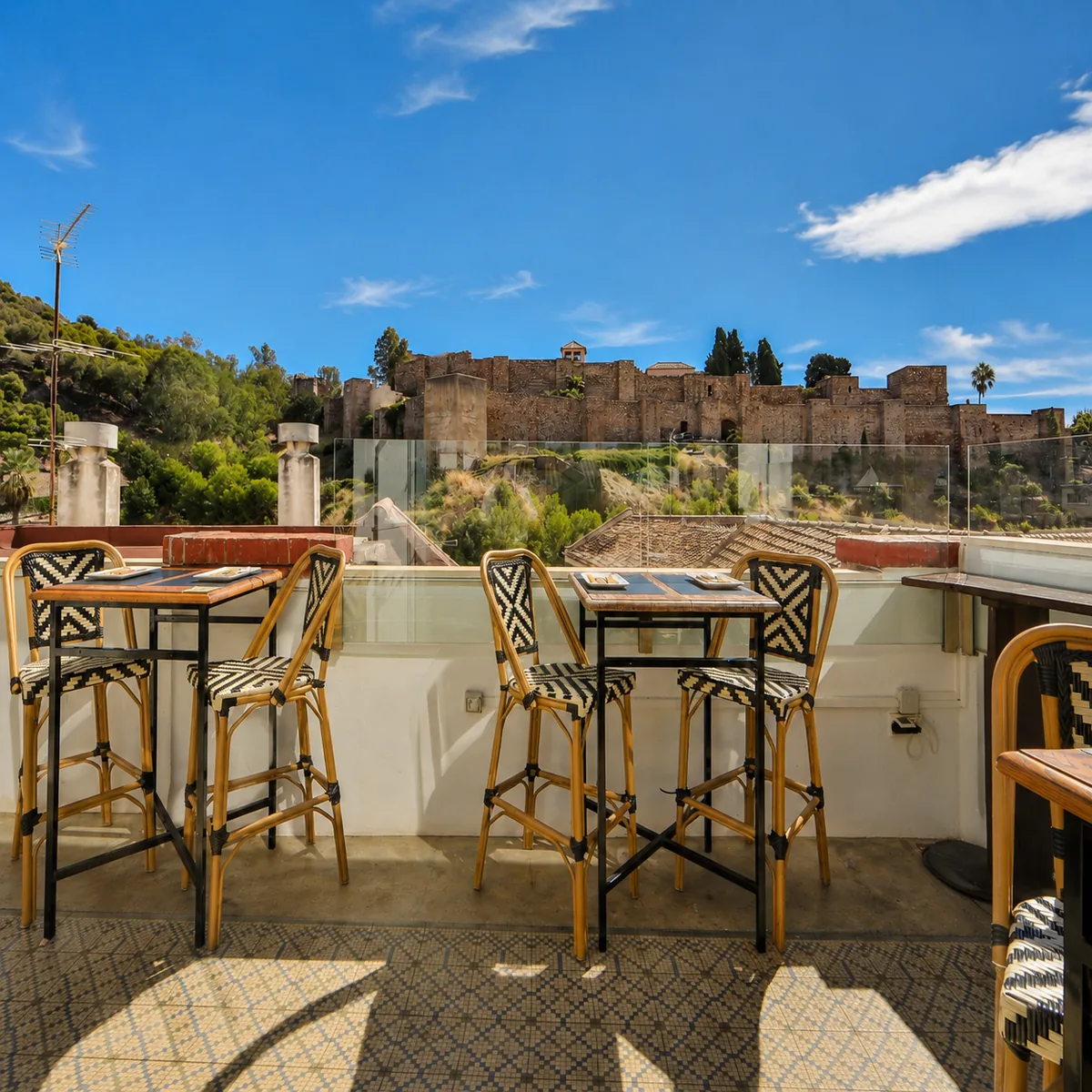
The first mistake is always eating in the same area. Málaga changes a great deal between the centre, Pedregalejo, El Palo, Huelin and the area around the market. The second is ordering espeto just anywhere: it is better to have it by the sea, where the embers and turnover make sense. The third is confusing a pretty terrace with good cooking. In Málaga there are magnificent views that do not guarantee good food.
It is also worth avoiding peak times if you are travelling in summer. Eating in the shade, booking when possible and accepting more local schedules can greatly improve the experience. In August, at Easter or during the Fair, the city fills up and some places slow down or work under too much pressure.
Who will enjoy eating in Málaga
Málaga will greatly appeal to those who enjoy fish, lively bars, markets, sweet wines, long breakfasts and meals by the sea. It is a rewarding city for eating without solemnity, sharing dishes and letting the day stretch out.
It may disappoint those looking only for quiet restaurants, flawless service and refined cuisine on every corner. Málaga has elegance, but also noise, fried food, paper napkins, crowded terraces and waiters rushing between tables. That mix is part of its charm, even if it is not for everyone.
The key is not to ask Málaga to be another city. Its best table is not always the most polished one, but the one that smells of embers, old wine, an open market and the sea slipping discreetly onto the plate.