
Small-group boat trip around Palma Bay with snorkeling, paddle surf, seascooter, drinks included and up to 9 participants.
View experienceThinking Mallorca Is Only About the Beach
One of the most common mistakes is reducing Mallorca to a sun lounger, sand and beach bars. Beaches are an essential part of the island, but they do not tell the whole story. The Serra de Tramuntana, a UNESCO World Heritage Site, villages such as Valldemossa, Deià, Sóller and Pollença, inland markets and life in Palma reveal a deeper and often more memorable Mallorca.
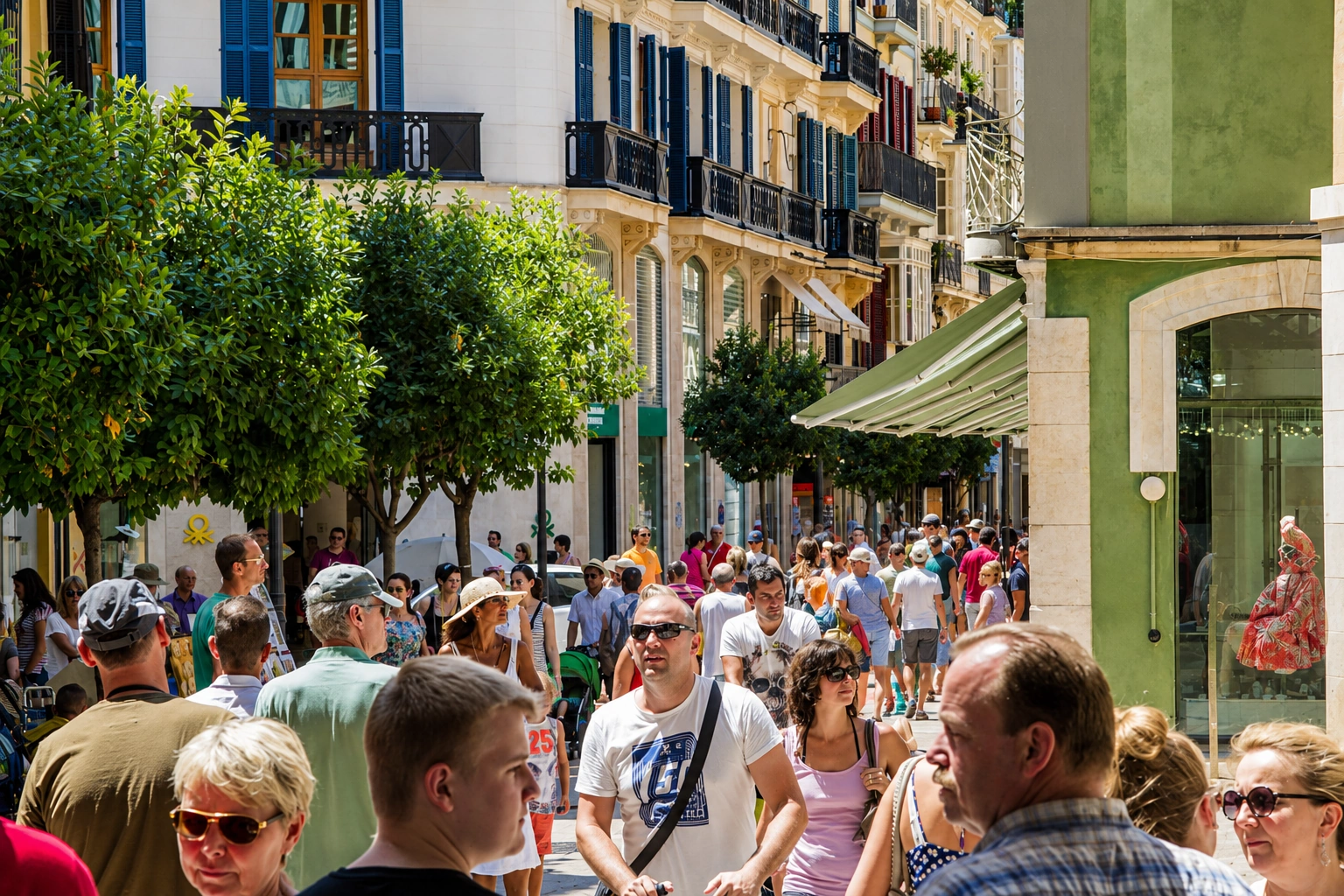
Travellers who come only in search of famous coves may end up disappointed: in July and August, some look more like towel car parks than Mediterranean hideaways. It is worth getting up early, alternating the coast with the interior and accepting that the best experiences are not always the most photographed.
Improvising Accommodation in High Season
Mallorca gets extremely busy in summer. Waiting until the last minute can mean paying more, staying far from the places you want to visit or ending up in an area that does not suit your trip.
Staying in Palma is not the same as staying in Alcúdia, Sóller, Magaluf or Playa de Palma. The mistake is not choosing a tourist area; the mistake is choosing it without understanding what it involves.
Hiring a Car Without Thinking About Parking
A car gives you freedom, especially for coves, villages and viewpoints. But in Mallorca, it is not always convenient. In summer, parking near popular beaches can be difficult, expensive or impossible if you arrive late.
In the Serra de Tramuntana, the roads are stunning but narrow, winding and demanding. If you are only moving around Palma, you may not need a car. If you want hidden coves or mountain villages, you probably will, but with patience, respect and sensible timing.
Underestimating Distances
Mallorca looks small on the map, but it is not travelled like a city. Crossing the island, driving up into the Tramuntana, heading down to a cove and returning to Palma for dinner can turn the day into a race.
It is better to group visits by area: the north with Pollença and Formentor, the west with Sóller and Deià, the south with Santanyí and a few coves, and Palma for a full day without a car and without rushing.
Going to Famous Coves at Midday
Caló des Moro, Es Trenc, Cala Deià and Sa Calobra can be wonderful, but also frustrating if visited in the middle of August, late in the day and without planning.
Some coves have restricted access, limited parking, uncomfortable paths or heavy tourist pressure. Get up early, take water, wear suitable shoes and have a backup plan.
Not Respecting the Local Rhythm
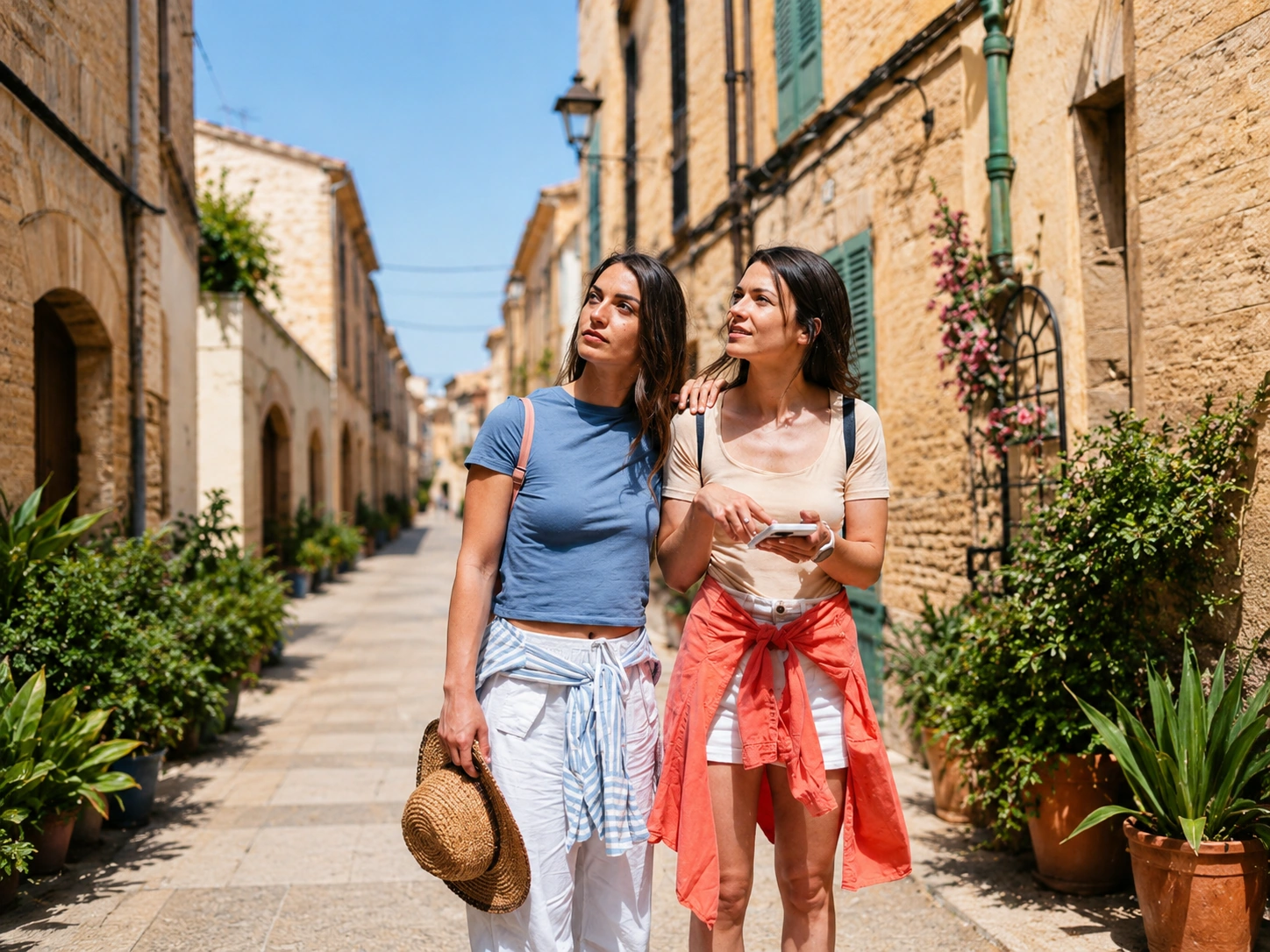
Mallorca lives from tourism, but it is not a theme park. In small villages, markets, rural roads and residential neighbourhoods, it is worth lowering your voice, greeting people naturally, not blocking access with your car, not entering private property for photos and dressing appropriately away from the beach.
Mallorcans tend to be polite, calm and used to visitors, but not necessarily effusive. The best relationship comes from respect: asking politely, not demanding as though everything existed to serve tourists, and understanding that behind the postcard there are people living their everyday lives.
Confusing Partying with a Lack of Rules
In some areas of Mallorca, especially nightlife zones in Calvià, Palma and Llucmajor, rules against excess tourism have become stricter. Drinking alcohol in public spaces is restricted in certain areas and may lead to fines.
This does not mean you cannot go out, have a late dinner or enjoy a drink. It means the island is trying to separate leisure from deterioration: noise, litter, balconing, drunkenness in the streets and behaviour that disturbs residents and workers.
Buying from Illegal Vendors or Using Unregulated Services
In tourist areas, it is common to come across unauthorised street vending, counterfeit goods, beach massages or drinks sold outside regulated establishments. In some municipalities, buying or using these services can lead to fines.
In restaurants, taxis and excursions, check prices beforehand, confirm conditions and use official services. Most professionals do a good job, but distracted travellers are more vulnerable in crowded areas.
Eating Only on the Tourist Seafront
Mallorca has wonderful food: tumbet, frit mallorquí, sobrasada, ensaimada, coca de trampó, rice dishes, fish, almonds, olive oil and local wines. But eating only on the most touristy seafront can mean paying a lot for mediocre food.
Look for traditional cellers, markets, local bakeries and restaurants slightly away from the most obvious streets. The island rewards those who look a little further.
Treating Beaches as If They Had No Limits
Not leaving rubbish, not pulling up vegetation, not walking over dunes, not taking stones or sand, not playing loud music and respecting protected areas may seem obvious, but it still needs to be said.
The island’s beauty depends on simple gestures: walking on marked paths, using bins, not disturbing marine wildlife, not anchoring on posidonia seagrass and understanding that the Mediterranean is not infinite.
Not Booking Restaurants, Boats or Experiences
In high season, improvising can be costly. Good restaurants fill up, boat trips can sell out and some access rules or services change depending on the season.
Booking in advance does not take away the sense of adventure; it prevents you from wasting time and money. Choose experiences carefully: not every boat tour is worthwhile and not every secret excursion is truly secret.
Forgetting That Palma Deserves Time
Many travellers use Palma merely as an arrival and departure point, which is a shame. The Cathedral, the old town, the patios, Santa Catalina, the Born, the Arab Baths, galleries, cafés and harbour create a city with a character of its own.
Palma does not need to compete with the coves: it offers another Mallorca, more urban, cultural and sophisticated. The mistake is seeing it in a rush as a formality before the beach.
Travelling Without Adapting to the Season
Mallorca changes greatly depending on the month. In summer, there is warm sea, atmosphere and long days, but also high prices, traffic and overcrowding. In spring and autumn, the island breathes more easily.
In winter, there is calm, more reasonable prices and a very local Mallorca, although some tourist businesses close. There is no single Mallorca. There are many, and the experience depends greatly on the calendar.
Mistakes to Avoid When Dealing with Local People
Your relationship with locals improves when you understand three things: Mallorca is hospitable, very used to tourism and, at the same time, under real pressure from overcrowding, housing issues, noise and the decline of certain areas.
Avoid shouting in narrow village streets, walking around in swimwear far from the beach, photographing private homes as if they were film sets, haggling aggressively where it is not appropriate, blocking rural lanes for a photo or demanding immediate service during busy hours.
In markets and restaurants, stay calm: say hello, ask prices if in doubt, respect queues and accept that the Mediterranean rhythm does not always match the visitor’s urgency. In taxis and transport, use official services, confirm fares where appropriate and avoid unnecessary arguments.
Mallorca appreciates travellers who observe, listen and blend in discreetly. You do not need to speak Catalan or Mallorcan to be respectful, but a few simple words in Spanish, a friendly attitude and the awareness that you are in a lived-in place can completely change the experience.
Thinking Everything Touristy Is Bad
It would also be unfair to fall into the opposite extreme. There are tourist areas that work well for families, travellers without a car or people looking for convenience.
A large hotel is not necessarily a bad choice; a restaurant in a popular area is not always a trap; a well-known beach can still be beautiful if visited at the right time. The real mistake is not going to famous places. It is going without judgement.
So, How Can You Avoid Getting Mallorca Wrong?
Travel with less anxiety and more intention. Choose carefully where to stay, book what matters, get up early for the coves, respect the rules, alternate sea with inland areas, leave space for Palma and treat the island as a living place, not as a photo catalogue.
Mallorca is worth it when explored with sensitivity. It may disappoint those looking for absolute silence in August, low prices on the seafront or empty coves at midday. But beyond the excesses of tourism, the island preserves a serene beauty.