Thinking You Can See All of Rome in Two Days
Rome cannot be conquered by accumulation. Trying to cram the Colosseum, the Forum, the Vatican, the Trevi Fountain, Trastevere, Piazza Navona, the Pantheon, Villa Borghese, and an endless list of churches into forty-eight hours usually ends in exhaustion.
The mistake is not seeing a lot, but seeing nothing properly. Rome asks for pauses: stepping into an unknown church, drinking a coffee standing at the bar, wandering through Monti without a map, waiting for dusk to fall over the Tiber. For a first visit, three or four days allow you to understand it better. With less time, it is better to choose two or three main areas and give up the rest without guilt.
Not Booking the Most Popular Visits in Advance
Improvising in Rome sounds romantic, but at the Colosseum, the Vatican Museums, or the Borghese Gallery, it can cost you dearly in time and patience. In high season, on weekends, long weekends, and school holidays, tickets sell out or queues become far from pleasant.
A common mistake is leaving bookings until the last minute and ending up buying tickets from expensive or unclear intermediaries. For major monuments, the sensible thing is to buy through official channels or reputable platforms, check the time carefully, and arrive with time to spare. At the Vatican, there are also dress code rules: sleeveless clothing, plunging necklines, miniskirts, very short shorts, or hats are not allowed in certain areas.
Underestimating Distances and Fatigue
On a map, Rome looks more compact than it feels under the July sun or after five hours of walking on cobblestones. Many streets are uneven, some pavements are narrow, and public transport can be packed at rush hour.
The mistake is planning the day as if everything were “ten minutes away.” The historic centre is best enjoyed on foot, yes, but it is wise to group visits by area: the Vatican and Castel Sant’Angelo; the Colosseum, the Forum, and Monti; Piazza Navona, the Pantheon, and the Trevi Fountain; Trastevere and the Gianicolo. Rome rewards travellers who walk, but punishes those who do not rest.
Falling for Overly Touristy Restaurants
Not every restaurant near a monument is bad, but many rely more on their location than on their cooking. Menus with huge photos, pushy waiters at the door, endless lists of dishes in too many languages, and unclear prices are usually signs that you should look twice.
The mistake is not eating near the centre, but sitting down without reading the menu. Before ordering, check whether the cover charge or service is included, look at drink prices, and avoid places promising “authentic Roman cuisine” with an infinite menu. Good Roman food is direct and full of flavour: carbonara, amatriciana, cacio e pepe, saltimbocca, artichokes, supplì. It does not need to shout.
Trusting Unofficial Taxis
Official taxis in Rome are white, have a “TAXI” sign on the roof, a visible licence, and the city emblem on the doors. From Fiumicino to the centre inside the Aurelian Walls, there is an official fixed fare of €55, including supplements, according to the airport information.
The mistake is accepting offers from drivers who approach you inside or outside the terminal promising a “private taxi” or a “special price.” It is also worth confirming the fare before leaving the airport and making sure the vehicle is authorised. For city journeys, the usual rule is to use the meter unless regulated fares apply.
Not Keeping an Eye on Your Belongings in Crowded Areas
Rome is not a particularly dangerous city for travellers, but pickpocketing does happen, especially in very crowded places: the metro, packed buses, the area around the Colosseum, the Trevi Fountain, Termini, Piazza di Spagna, and busy tourist routes. The problem is usually not violence, but distraction.
The mistake is carrying your phone in your back pocket, leaving your backpack open, or keeping your wallet in an easy-to-reach bag. Act as you would in any major European capital: keep your bag in front of you on public transport, store documents securely, avoid showing off valuables, and be especially alert when someone creates a sudden distraction.
Accepting “Gifts” in the Street
Bracelets, flowers, photos, petitions for supposed charities, unsolicited help at ticket machines: some friendly gestures can end in pressure to pay. There is no need to be paranoid, but calm firmness helps.
The mistake is entering into conversation out of politeness when you are not interested. In Rome, a brief “no, grazie” works well—without smiling too much and without stopping. Courtesy does not oblige you to take part in an uncomfortable scene.
Ignoring Monument Rules
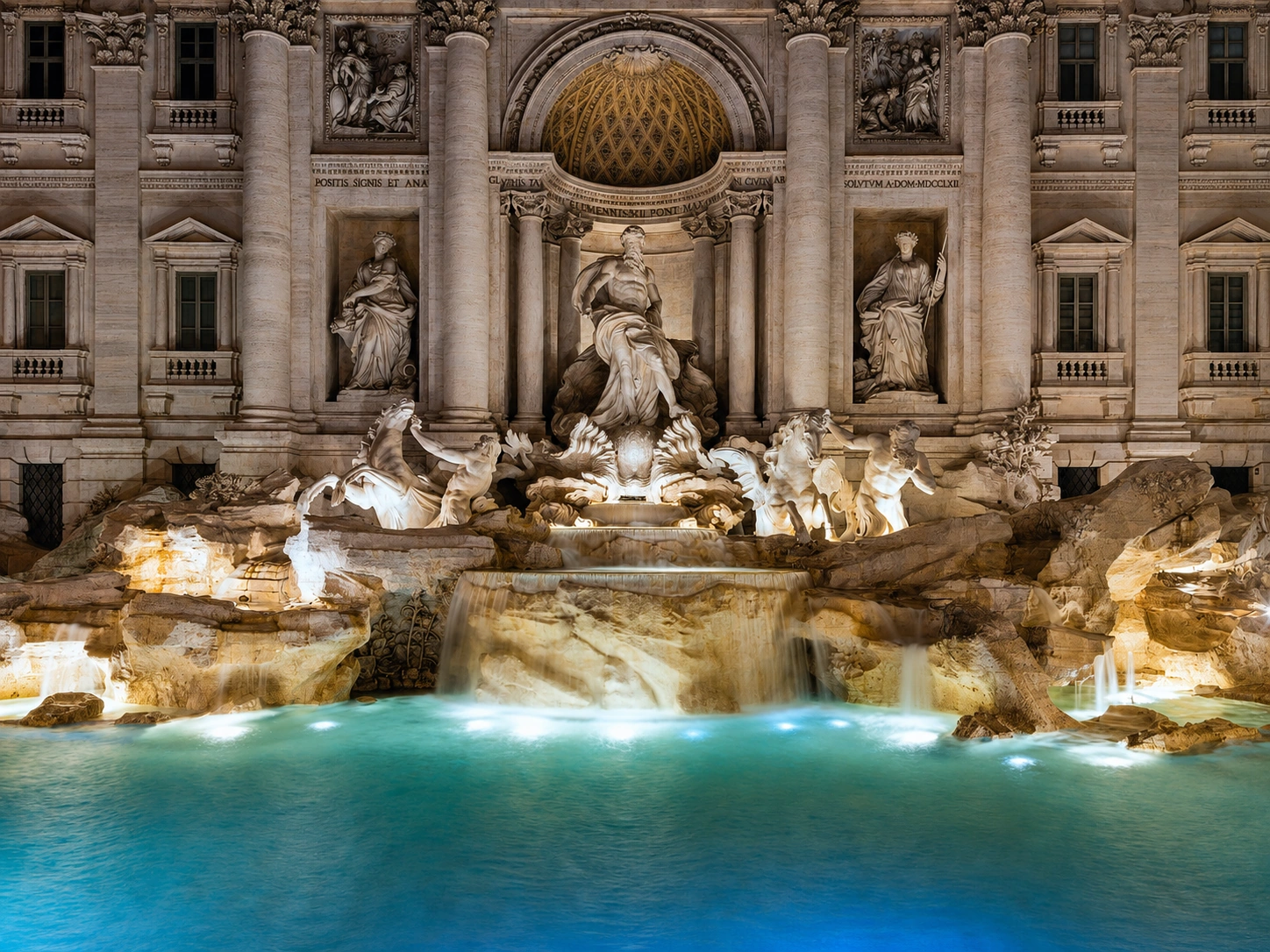
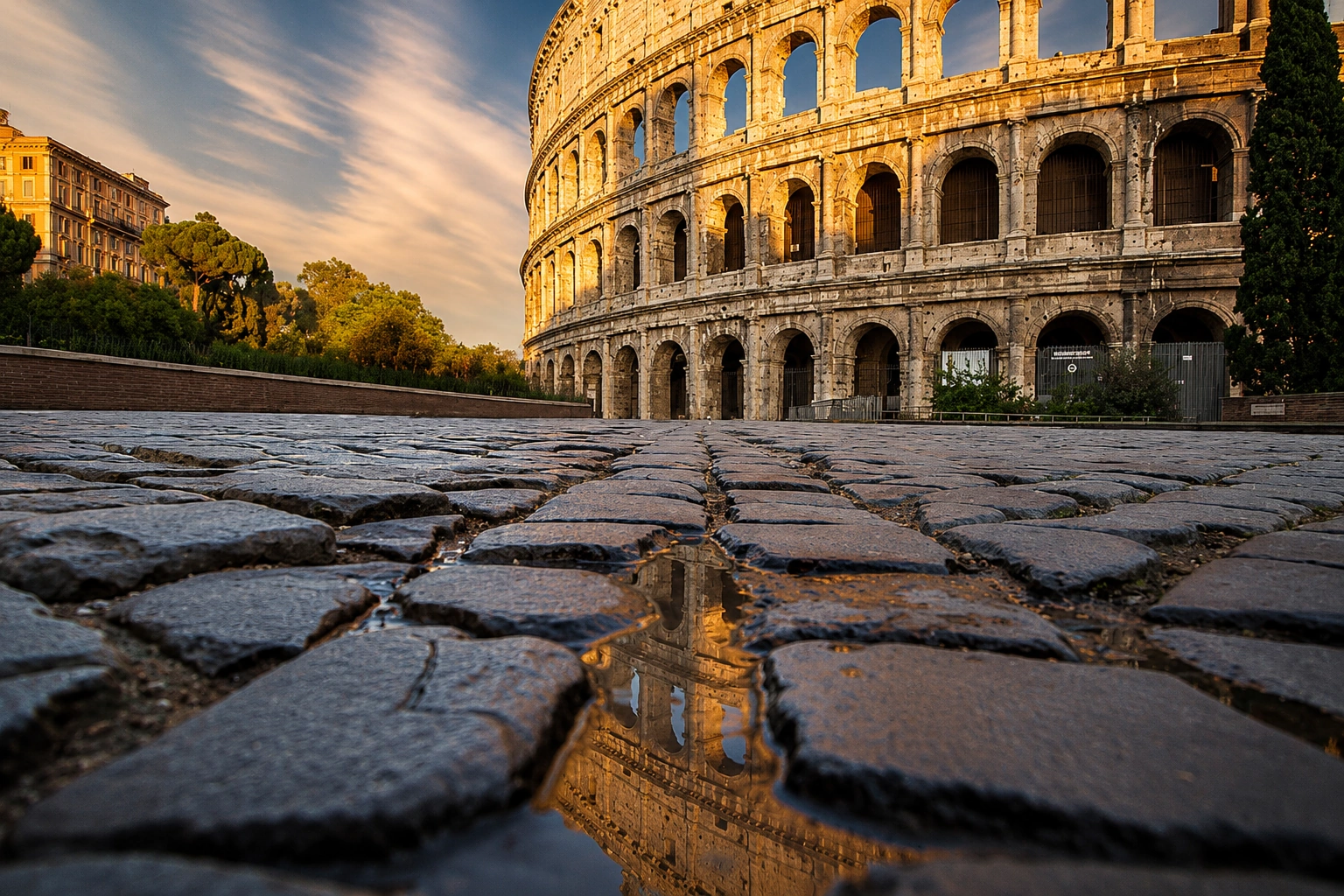
Rome has monuments that are part of daily life, but they are not scenery. Bathing in fountains, climbing on protected structures, damaging heritage, or behaving disrespectfully in historic spaces is forbidden. Rome’s urban regulations include protective measures for fountains such as the Trevi Fountain, the Barcaccia in Piazza di Spagna, and other monumental fountains.
It is also worth knowing that Rome has tightened controls in some heavily crowded areas. In 2026, an access fee was introduced for approaching the lower area of the Trevi Fountain at certain times, with the aim of managing visitor flow; the square itself remains freely accessible.
The mistake is not taking a photo; it is forgetting that the city is not a theme park.
Sitting Where You Should Not
One of the most common errors is treating any monumental staircase as an improvised bench. In Piazza di Spagna, sitting on the Spanish Steps can lead to fines, a rule that has been enforced for years to protect the space and prevent disrespectful mass use.
Rome has benches, cafés, small fountains, and squares where you can rest. It is not worth arguing with the local police over a badly chosen break.
How to Deal with Locals in Rome
Romans are used to tourism, but that does not mean they live for tourists. In the historic centre, many residents deal every day with noise, groups, suitcases, photos, queues, and crowded streets. Understanding this can change your experience significantly.
The Roman manner can seem direct, even brusque, to those expecting very smiley friendliness. It is not always rudeness: often it is simply the rhythm of the city. In a busy bar, you are expected to order clearly; in a small shop, to greet when entering; in a restaurant, not to occupy a table for hours if you are only having a coffee at peak time; in markets, not to touch produce without permission.
Avoid blocking pavements for photos, entering churches while speaking loudly, demanding impossible changes to traditional dishes, or treating waiters and taxi drivers like extras in an Italian postcard. A “buongiorno,” “buonasera,” “per favore,” and “grazie” open more doors than hurried English.
In restaurants, things improve if you accept the local rhythm: not everything is fast, dinner is not always early, and service is not always effusive. In taxis, markets, and shops, polite firmness works better than aggressive suspicion. Rome appreciates travellers who observe, ask, and respect; it hardens toward those who arrive believing the city should adapt entirely to them.
Going in August Without Understanding What It Means
August can be beautiful because of the light, but harsh because of the heat. Some family-run shops and restaurants close for part of the month, monumental areas can feel exhausting, and walking at midday becomes a bad idea.
The mistake is planning August as if it were April. In summer, it is better to get up early, reserve air-conditioned indoor visits for the middle of the day, drink water frequently, and use the public fountains sensibly. The city is still alive, but it demands a different rhythm.
Staying Far Away Without Checking Connections
Rome can be expensive in the centre, and sleeping farther out may seem like a good way to save money. Sometimes it is. But choosing accommodation based only on price, without checking night transport, metro frequency, or real distance, can turn each day into a small expedition.
The mistake is thinking that “30 minutes from the centre” always means convenient. For a first visit, it is worth prioritising well-connected areas: the area around Termini, chosen carefully; Monti; Prati; Trastevere, depending on the exact location; Campo de’ Fiori; Piazza Navona; or areas close to the metro. Cheap becomes expensive if every return journey turns awkward.
Buying Tickets or Tours from Pushy Sellers
Around the Colosseum, the Vatican, and other tourist spots, sellers appear promising fast access, “skip-the-line” tours, or miraculous tickets. Some services are legitimate, others are expensive for what they offer, and some can be confusing.
The mistake is deciding under pressure. Rome is not enjoyed in a hurry or with someone pushing you to buy. Before paying, check exactly what the tour includes, whether the ticket is included, the language, duration, meeting point, and cancellation policy.
Not Leaving Room for Simple Rome
Perhaps the saddest mistake is visiting Rome only as a list of monuments. The city is also found in a slice of pizza al taglio eaten without ceremony, in a patch of shade on the Aventine, in a quiet street behind the Pantheon, in an empty church with an unexpected Caravaggio, in the sound of a fountain at nightfall.
Rome can disappoint those looking for order, spotless cleanliness, silence, and constant ease. It can deeply enchant those who accept its mix of grandeur and wear, beauty and noise, marble and traffic, eternity and everyday life.
The best way not to get Rome wrong is simple: book what matters, walk slowly, distrust what seems too easy, respect the city, and do not try to possess it all. Rome is not visited well by running after it. It is better understood when you give it time.
