

Book a Valencia Oceanogràfic ticket with access to every exhibition, the underwater tunnel and more than 45,000 marine creatures.
View experienceGeneral Valencia safety for tourists
Valencia is not a city that forces you to stay on alert. The historic centre, Ruzafa, the Ensanche, the City of Arts and Sciences area, the Marina, the Turia Gardens and the urban beaches are generally busy and comfortable places for travellers.
The feeling of safety is helped by the city’s human scale: many areas can be explored on foot, there is life in the streets, terraces stay open, and neighbourhoods remain lively until late. Even so, the main risk for visitors is usually not violence, but carelessness: leaving a phone on a table, carrying an open backpack, hanging a bag over a chair, or becoming too relaxed in crowds.
In an emergency, the general number in the Valencian Community is 112, which handles urgent calls from anywhere in the region.
The main visitor risk is usually everyday carelessness: phones, bags, backpacks and valuables left in sight.
Safe areas in Valencia and places to stay more alert
I would not describe any area as “off-limits” for tourists, because that is not how Valencia works. There are, however, places where it is wise to raise your level of awareness.
El Carmen is one of Valencia’s most characterful neighbourhoods: medieval alleyways, graffiti, bars, small squares and a slightly chaotic kind of beauty. By day, it is a fascinating area; at night, especially on weekends, there may be more noise, groups drinking and minor uncomfortable situations. It is not somewhere you need to avoid, but it is best to walk along streets with people around and not keep valuables on display.
As with many European stations, arrival and departure areas around Estación del Nord and Xàtiva bring together rushing passengers, suitcases, tourists checking their phones for directions and people waiting around. It is an ideal setting for opportunistic theft. The best approach is to keep your wallet and phone in secure pockets, avoid leaving backpacks on the floor and take particular care when buying tickets or checking maps.
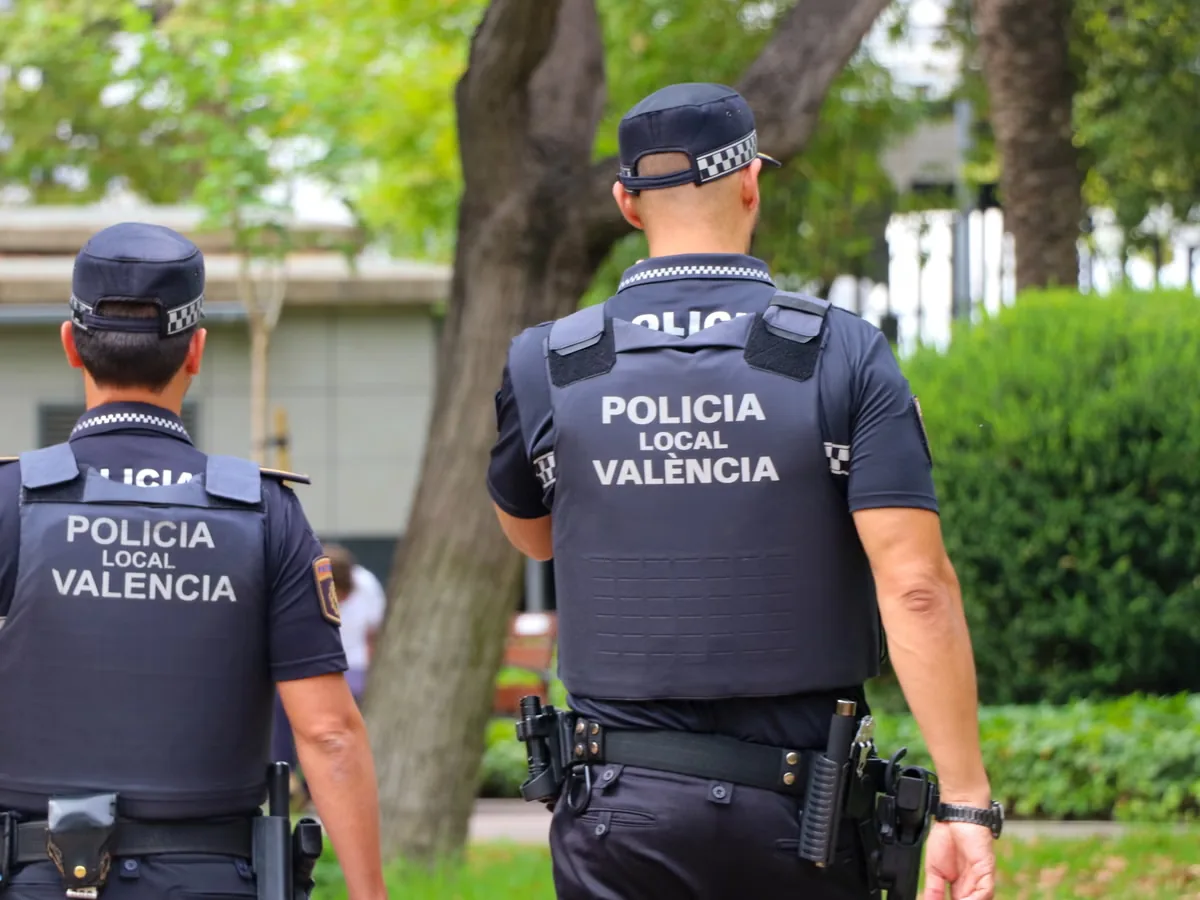
The urban beaches, Cabanyal and the Marina are one of Valencia’s great pleasures, but in high season they also attract large crowds. The main risk is usually not swimming, but leaving belongings unattended while you go into the water. In summer, the City Council activates specific beach safety measures, with a permanent police presence and assistance resources throughout the season.
At stations, beaches and crowded streets, keep belongings closed, close to your body and always watched.
Is Valencia safe at night?
Yes, Valencia is a reasonably comfortable city for going out at night. Ruzafa, El Carmen, Cánovas, the Marina and some university areas have atmosphere, bars and restaurants open until late. The key is not to confuse a lively atmosphere with a reason to let your guard down.
What may disappoint some travellers is the nighttime noise in nightlife areas, certain alcohol-related excesses on weekends and the slightly chaotic feeling in the narrow streets of the centre when they are crowded. If you are looking for a quiet stay, it may be better to sleep away from the nightlife heart of El Carmen or the busiest streets of Ruzafa.
To get back to your accommodation, especially if you are travelling alone, it is better to use main streets, public transport when available, or a taxi/VTC if you are far away. There is no need to dramatise, but nor is it wise to take your chances walking at dawn through empty areas you do not know.
For a quieter stay, avoid sleeping right in the nightlife heart of El Carmen or the busiest streets of Ruzafa.
Solo female travellers in Valencia
Valencia is a good city for women travelling alone: it allows you to walk, sit at terraces, visit museums, go to the beach and have dinner without feeling out of place. Even so, at night it is worth applying the usual precautions you would in any city: keep an eye on your drink, avoid walking back alone through deserted streets, do not accept insistent offers of company and choose accommodation in well-connected areas.
During major events and crowded nights, the City Council has introduced security measures and specific assistance points on beaches and at celebrations, as happens during San Juan.
The experience is usually comfortable, but at night it is better to prioritise main streets, well-connected accommodation and safe ways back.
Families with children: an easy city, with a few caveats
For families, Valencia usually works very well. The Turia Gardens are a blessing: long, green, largely free of traffic and perfect for walking, playing or cycling. The City of Arts and Sciences, the beaches and the parks make travelling with children easy.
The main precautions are simple: keep a close watch on beaches, do not lose sight of children in crowded areas and pay attention to bicycles and scooters on shared lanes. Local authorities have stepped up checks on personal mobility vehicles, especially electric scooters, as part of a road safety and urban coexistence strategy.
The Turia Gardens and beaches make family travel easy, but keep children in sight in crowds and shared lanes.
Scams and common problems for tourists
Travellers should pay attention to three situations. The first is pickpockets in crowds: markets, festivals, public transport, stations and narrow streets in the centre. The second is opportunistic theft at terraces: a phone on the table, a bag hanging from a chair, a backpack under your feet. The third is fake “favours” or distractions: someone asks you something, stains an item of clothing, offers help or creates confusion while another person takes advantage of the moment.
The solution is not to travel in paranoia, but to adopt sensible habits: carry little cash, separate your cards, use closed bags, avoid displaying expensive items and never leave belongings alone on the beach.
Do not leave your phone on the table or your bag hanging from a chair on busy terraces.
Valencia beach safety and sea conditions
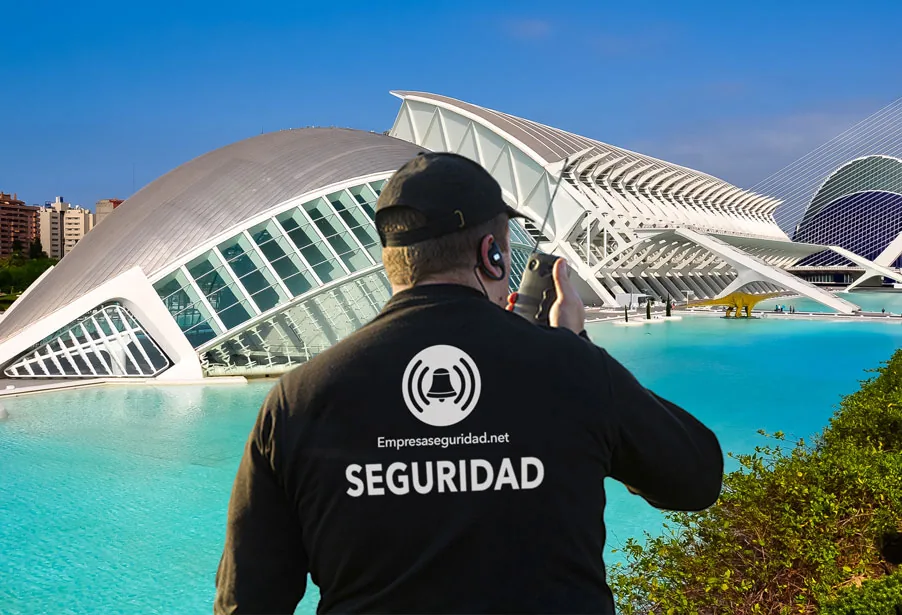
Valencia’s urban beaches are wide, bright and easy to enjoy, but the Mediterranean also deserves respect. Check the flag, avoid swimming too far out if there is a current, do not go into the water after drinking and always watch children, even when lifeguards are present.
In summer, the experience changes: more services, more supervision and more life, but also more heat, more people and more opportunities for lapses in attention.
On the beach, the risk is not only the water: it is also what you leave unattended while swimming.
When Valencia may feel less safe
The city changes a lot depending on the time of year. During Fallas, San Juan, long weekends, sporting events or summer weekends, Valencia fills with visitors, and safety depends more on crowd behaviour than on the destination itself. There is more police presence and more atmosphere, but also more noise, alcohol, open bags, phones in hand and pickpockets drawn by the concentration of people.
On very hot days, safety also means staying hydrated, avoiding the middle hours of the day and not underestimating distances. Valencia seems flat and easy, but walking too much under the sun can turn a beautiful day into a bad decision.
During Fallas, San Juan and summer weekends, pay closer attention to crowds, heat and belongings.
Who Valencia is worth it for
Valencia is well worth visiting for anyone looking for a comfortable Mediterranean city with culture, beach, gastronomy, lively neighbourhoods and a less aggressive pace than Madrid or Barcelona. It is also a good choice for families, couples, solo travellers, food-focused getaways and people who want to walk around without feeling that the whole trip requires complicated logistics.
Who it may not be ideal for
It may not be the ideal city for those seeking absolute silence, empty beaches in August or an experience completely untouched by tourism. It may also not suit anyone easily irritated by bicycles, scooters, packed terraces and neighbourhoods where nightlife blends with residential life.
Verdict: is Valencia safe?
Yes: Valencia is safe to visit, as long as you approach it with the normal prudence required in a tourist city. Its greatest danger does not lie in threatening streets, but in overconfidence. Anyone who looks after their belongings, chooses the right area to stay, respects the sea and avoids walking at dawn through empty places will almost always have a calm experience.
Valencia does not need to promise perfection. Its charm lies in something more real: a bright, liveable, Mediterranean city where travellers can slow down without entirely letting their guard down.
Valencia is safe, but the experience is calmer when you travel with awareness and common sense.