

Book a Valencia Oceanogràfic ticket with access to every exhibition, the underwater tunnel and more than 45,000 marine creatures.
View experienceValencia in 1 day: the essence, without trying to see everything
Morning: historic centre, market and squares.
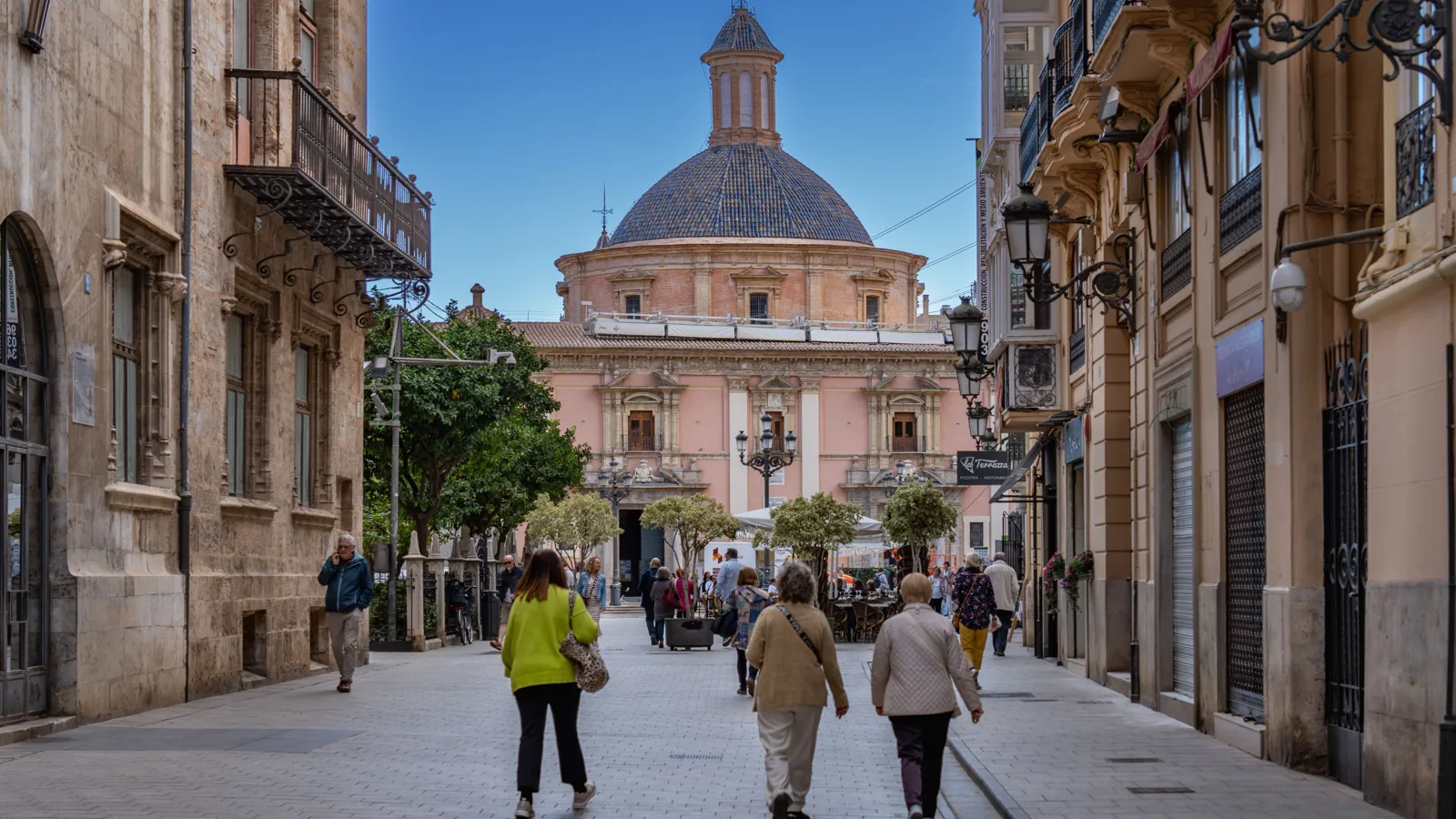
Start early at the Central Market, when the stalls still breathe fresh fruit, salted fish, bread, spices and neighbourhood voices. Then cross over to the Silk Exchange, one of Valencia’s great Gothic symbols, and wander unhurriedly towards Plaza de la Reina, the Cathedral and Plaza de la Virgen. This is the Valencia of pale stone, bell towers, orange trees and terraces.
With only one day, it is best to resist the temptation to go inside too many museums. Choose one or two interiors at most and leave time to wander through El Carmen, where the city becomes more irregular, older and, in some stretches, more touristy.
Afternoon: Turia Garden and the City of Arts.
After lunch, head down to Turia Garden, the former riverbed transformed into a huge urban park. It is one of the best ways to cross Valencia without feeling surrounded by traffic: bicycles, runners, families, the shade of bridges and a very Mediterranean sense of outdoor life.
Continue to the City of Arts and Sciences. Even without going inside its buildings, it is worth seeing from the outside, especially in the late-afternoon light. The complex includes spaces such as a science museum, planetarium, aquarium and cultural areas, although trying to visit everything in a single day can feel excessive.
Evening: a relaxed dinner, not a sightseeing marathon.
To finish, head back towards Ruzafa, the centre or the Cánovas area, depending on the atmosphere you are looking for. Valencia is best enjoyed when it does not become a checklist of monuments. One day is enough to get a sense of it, not to exhaust it.
With only one day, it is best to choose one or two interiors at most and avoid filling the day with tickets, museums and transfers.
Valencia in 2 days: history, the future and the sea
Day 1: historic Valencia.
Devote the first day to the centre: Central Market, Silk Exchange, Cathedral, Plaza de la Virgen, Serranos Towers and El Carmen. Add a long pause for rice, but remember something important: traditional Valencian paella is usually a lunchtime dish, not a late improvised dinner.
In the afternoon, you can head to the Museum of Fine Arts, the Viveros Gardens or simply lose yourself in side streets. The most common mistake in Valencia is rushing too much; the city rewards those who sit down, observe and let the light pass.
Day 2: Turia, City of Arts and beach.
The second day works very well by bicycle or public transport. Follow the Turia to the City of Arts and decide whether you want to visit the Oceanogràfic, the museum or simply stroll through the complex. Afterwards, continue towards the Marina and the urban beaches.
Malvarrosa Beach has space, sand and horizon, but it does not always have the intimate charm some travellers imagine. In high season it can feel very crowded, and on windy days it loses some of its calm. Even so, for ending the day with the sea, a promenade and dinner near the coast, it works very well.
Traditional Valencian paella is usually a lunchtime dish, not a late improvised dinner.
Valencia in 3 days: the ideal pace for a first visit
Day 1: old town and local life.
Explore the centre without rushing. Central Market, Silk Exchange, Cathedral, the Miguelete if you feel like climbing it, Plaza Redonda, Santa Catalina, El Carmen and the Serranos Towers. If you travel in summer, avoid the middle hours of the day: the stone stores heat and the walk loses some of its charm.
Day 2: Turia, contemporary architecture and neighbourhoods.
Spend the morning in Turia Garden and the City of Arts. In the afternoon, head back towards Ruzafa, a neighbourhood with cafés, galleries, restaurants and a more everyday kind of energy. It is not a hidden local secret —it has been fashionable for years— but it still retains an interesting mix of market, neighbourhood life and leisure.
Day 3: Albufera and sunset.
Reserve the third day for the Albufera, especially if you are interested in seeing the Valencia most closely tied to rice, water and flat landscapes. It is an excursion that changes a lot depending on the season: on clear days, the sunset can be memorable; in intense heat or with poor planning, it can become tiring.
The Albufera appears among Valencia’s highlights for a more complete visit, alongside the Turia, the Cathedral, the Silk Exchange and the City of Arts.
If you travel in summer, avoid the middle hours of the day: the stone stores heat and the walk loses some of its charm.
Valencia in a week: a city to live in, not just to see
Days 1 and 2: historic centre and neighbourhoods.
Start as you would on a shorter route, but with more calm. Add museums, courtyards, small churches, markets and aimless walks. Alternate the centre with Ruzafa, Gran Vía, Benimaclet or the Ensanche area.
Day 3: the City of Arts at an unhurried pace.
With a week, it does make sense to dedicate almost a full day to the City of Arts complex, choosing carefully what to visit inside. It is better to select well than to buy tickets on impulse.
Day 4: beaches and Cabanyal.
Spend a day between the Marina, Malvarrosa, Patacona and Cabanyal. This area shows a seafaring Valencia, colourful and somewhat uneven: there are beautiful streets, façades with character and interesting restaurants, but also less well-kept stretches and growing tourist pressure.
Day 5: Albufera.
Take your time with the excursion. A walk, rice, a boat trip if the weather suits, and a return at sunset. Do not go just to take a quick photo: the Albufera needs silence and low light.
Day 6: art, gardens and relaxed shopping.
You can devote this day to the Museum of Fine Arts, the Hortensia Herrero Art Centre, the Botanical Garden, Viveros or Colón Market. It is a day for slowing down.
Day 7: return to what you liked most.
The final day should not be filled with obligations. Revisit a square, go back to the market, have horchata for breakfast, walk through the Turia or say goodbye to the sea. A week in Valencia does not require major outings every day; its pleasure lies in returning to the same places in a different light.
Do not go to the Albufera just to take a quick photo: it needs silence and low light.
Best route for combining Valencia without wasting time
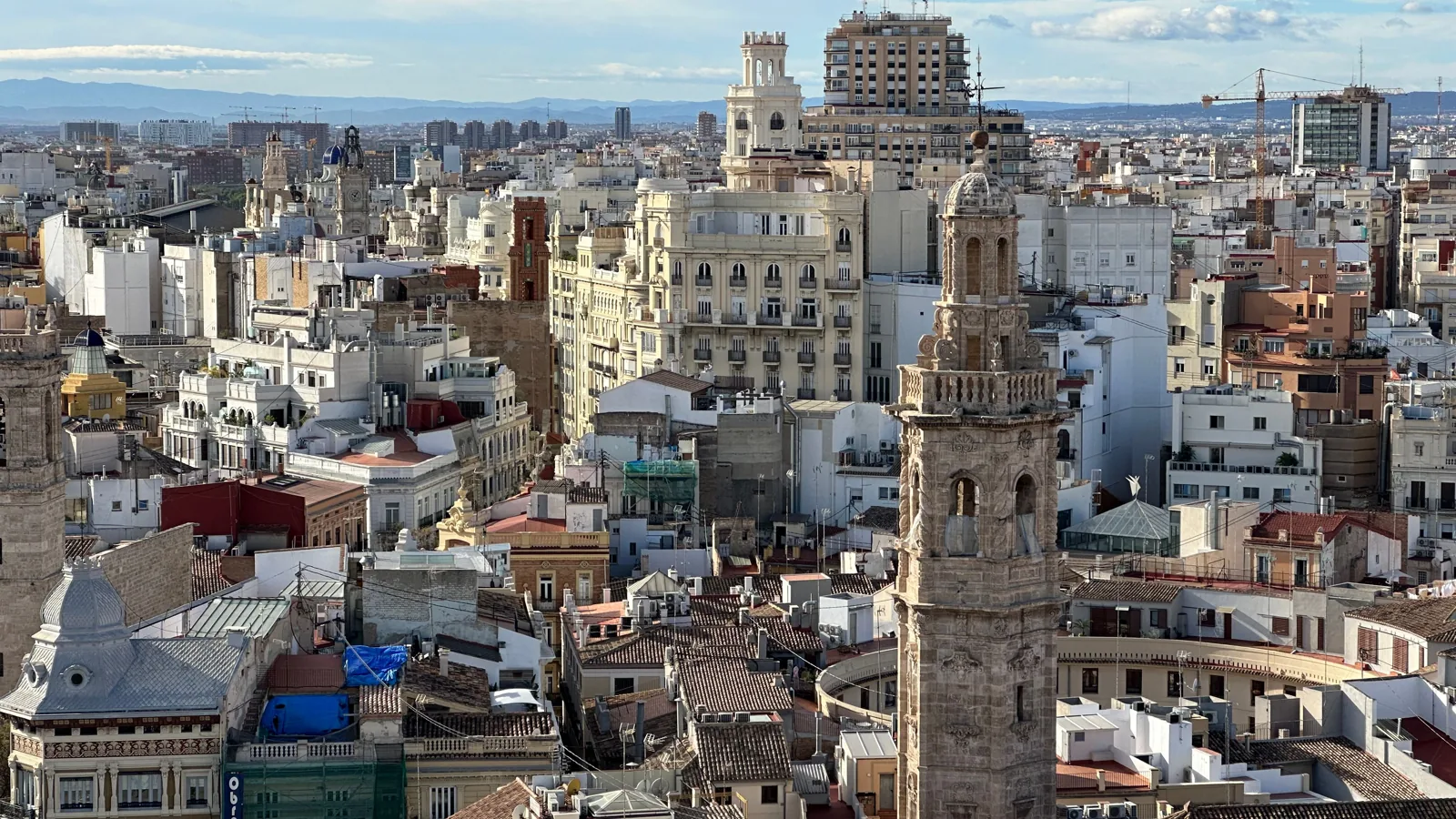
The most logical combination is: historic centre → Turia Garden → City of Arts → Marina and beaches → Albufera.
This sequence avoids unnecessary jumps and helps you understand how Valencia moves from medieval city to green metropolis, from futuristic architecture to Mediterranean landscape. To get around, the metro, tram, bus and bicycle are usually enough; the Metrovalencia network connects the airport, centre, beaches and key areas, and public transport can be combined easily according to the itinerary.
Mistakes worth avoiding
Do not try to see everything in one day. Do not save paella for the evening expecting the most authentic experience. Do not underestimate the heat in summer. Do not assume the beach is right next to the historic centre: it is easy to reach, but it is not a short walk from the Cathedral. And do not fill every hour with tickets, museums and transfers; Valencia loses beauty when visited anxiously.
The beach is easy to reach, but it is not right next to the historic centre or a short walk from the Cathedral.
Who is Valencia worth visiting for?
Valencia is very much worth visiting for travellers looking for a bright, walkable city with good food, varied architecture, a nearby beach and a pace less overwhelming than Madrid or Barcelona. It also works very well for couples, foodie getaways, cycling trips and families who want to combine culture with open spaces.
It may disappoint those expecting a monumental city in the style of Rome, a wild beach or nightlife as intense as in other Mediterranean capitals. Valencia does not try to dazzle every minute. Its charm is more gradual: it appears in a square at sunset, in the smell of a market, in a patch of shade in the Turia, in the first white reflection of the City of Arts or in the golden silence of the Albufera.